AI-designed peptide drugs for canine obesity.
54 million dogs are overweight. Zero approved treatments exist. Treat builds canine-specific therapeutics using computational protein design — not repurposed human drugs.
The Problem
The biggest unmet need in veterinary medicine.
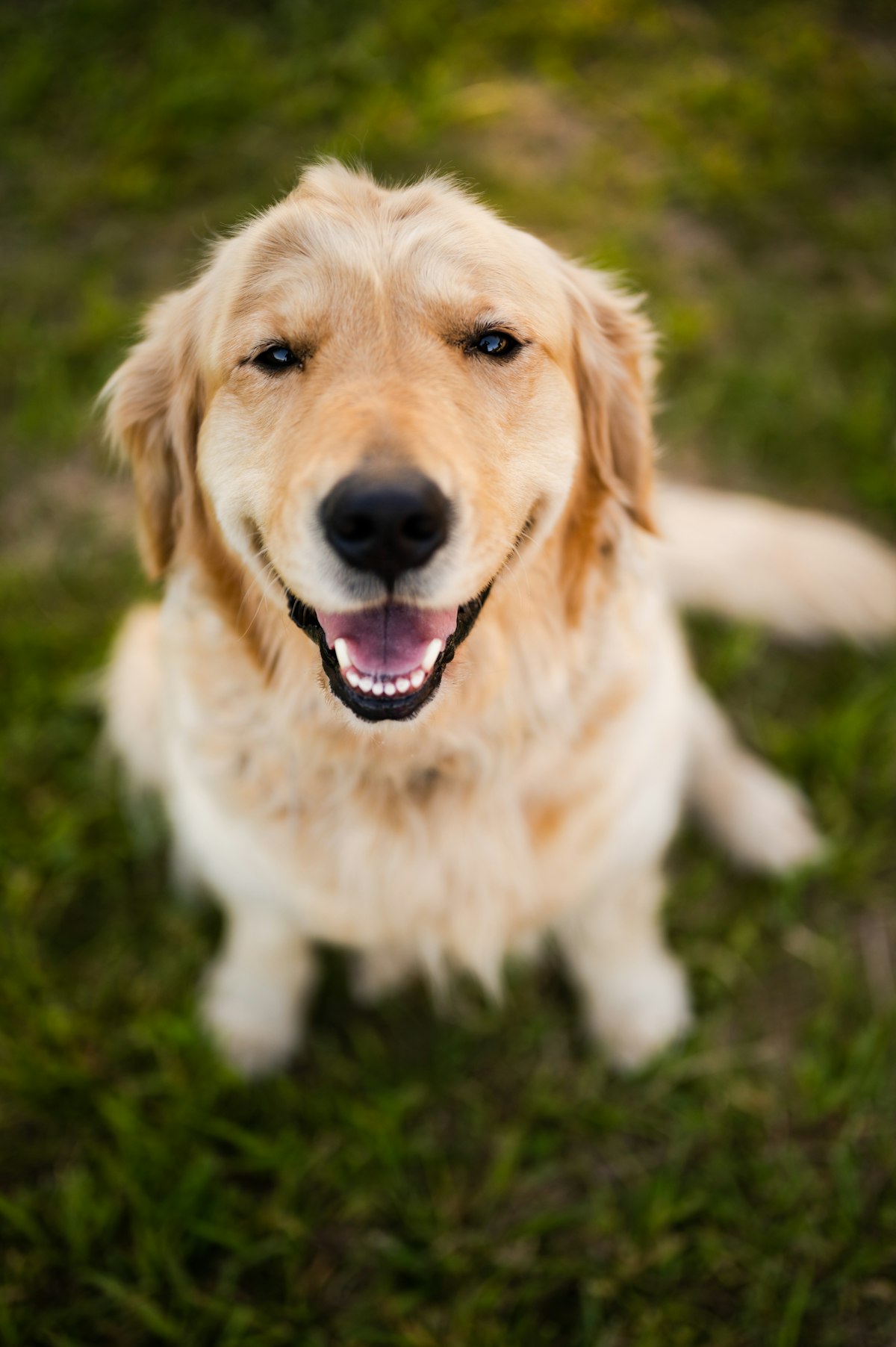
are overweight or obese — 54 million animals. Excess weight shortens lifespan by 2.5 years and drives chronic disease.
No FDA-approved canine weight loss drug exists. The last one, Slentrol, was pulled from the market in 2010.
54 million overweight dogs at $1,200/year in treatment value. No commercial entrant has captured any of it.
Discovery Engine
Computational biology. Hundreds of candidates before a single molecule is synthesized.
Treat uses frontier AI and structural biology to design peptide candidates in silico, predict binding affinity at canine receptors, and optimize for species-specific pharmacology. This compresses timelines, reduces capital requirements, and generates a defensible pipeline of purpose-built molecules.
Structure-first design
Every candidate is modeled against canine receptor biology before synthesis. No trial-and-error screening.
AI compute, not bench iteration
Thousands of design cycles in parallel on GPU clusters. Months of wet-lab work compressed into days of simulation.
Purpose-built, not repurposed
Not human drugs repackaged for dogs. Canine pharmacokinetics and receptor divergence inform every design decision.
Why Canine-Specific
The same receptors. Different enough to matter.
All 13 mutagenesis-validated ligand-contact residues are identical between human and canine GLP-1R.
TM5/TM6 activation pocket is 100% conserved (86.7% overall identity). The ECL1 loop — 63.6% conserved — is the primary optimization target. No complete mutagenesis contact map is published for GIPR.
22 of 23 mutagenesis-validated contact residues conserved. The single substitution (H339R) maps to the G-protein coupling interface, not the peptide-binding pocket.
Across the 36 mutagenesis-validated contact residues in GLP-1R and GCGR, 35 are identical between human and dog — and GIPR's activation pocket is fully conserved. The one meaningful divergence, GIPR's ECL1 loop, is exactly where Treat's canine-specific design focuses.
Thesis
Human GLP-1 drugs proved the category. Treat builds the canine version.
Semaglutide and retatrutide created a $100B+ human obesity market. The same receptor biology exists in dogs. Treat is the first company building a canine-specific peptide platform to capture that opportunity.
Pipeline
Three programs. Fat loss, muscle preservation, body recomposition.
Canine-optimized from a retatrutide-class scaffold. AI-designed for species-specific receptor engagement at all three targets.
Indication: Canine obesity and metabolic health
Lead Optimization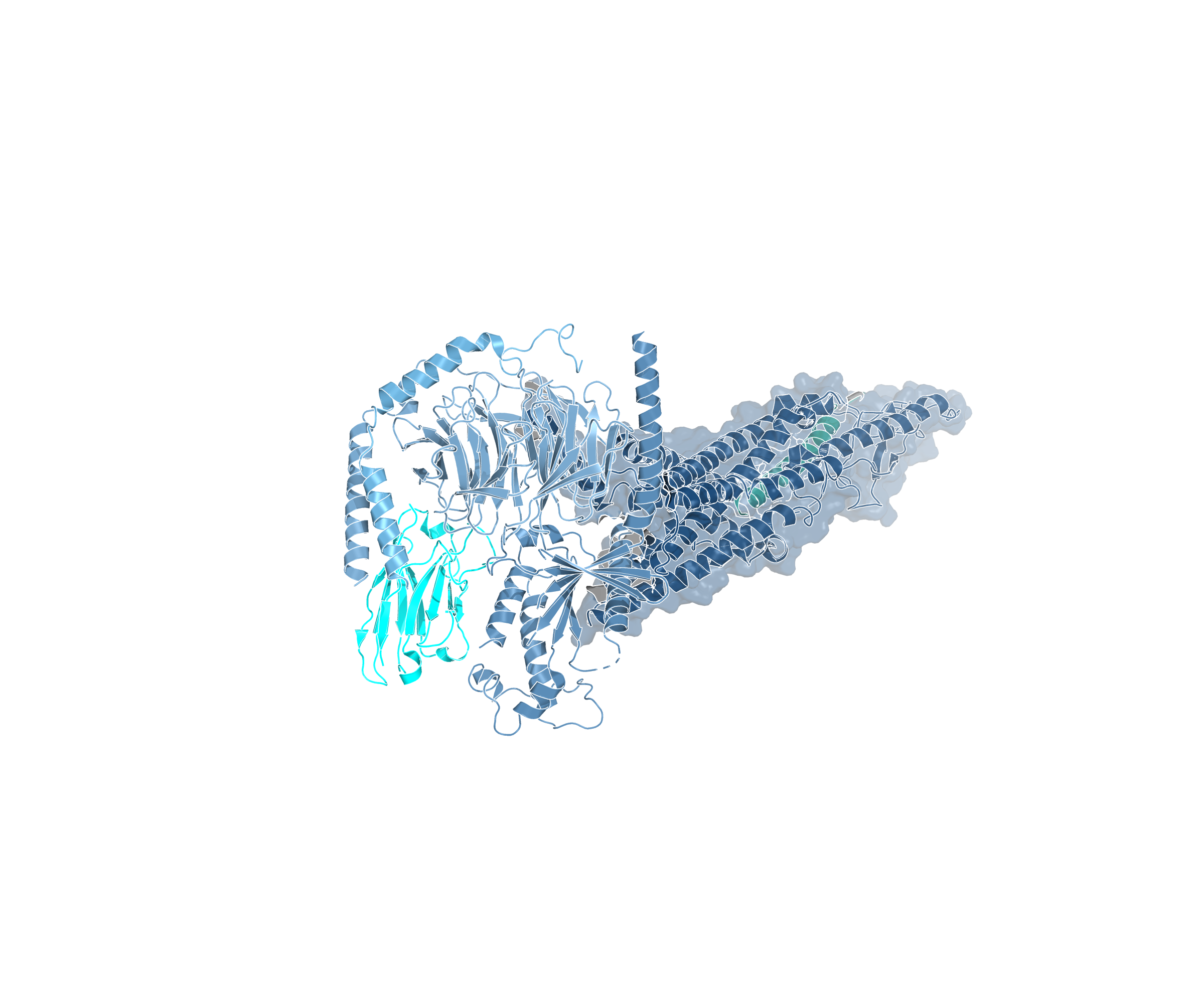
AI-designed mini-protein blocking ActRIIA/B signaling to preserve lean muscle mass during incretin-driven weight loss.
Indication: Lean-mass preservation
DiscoveryPairs TRT-001 metabolic fat loss with TRT-002 muscle-support biology for full body recomposition.
Indication: Body recomposition
DiscoveryConditional Approval Pathway (FDA CVM / CNADA)
Treat can begin selling while completing full efficacy studies — dramatically faster and cheaper than the traditional FDA path for human drugs.
Leadership
Built by scientists with translational and therapeutic development experience.

Computational biologist with experience in translational biology and therapeutic design at Colossal Biosciences. Designed Treat's peptide platform and discovery workflow.

Contact
Partner with Treat Biosciences.
For investor conversations, veterinary pharma partnerships, or scientific collaboration.
Or email us directly at dkingsley@treatbiosciences.com